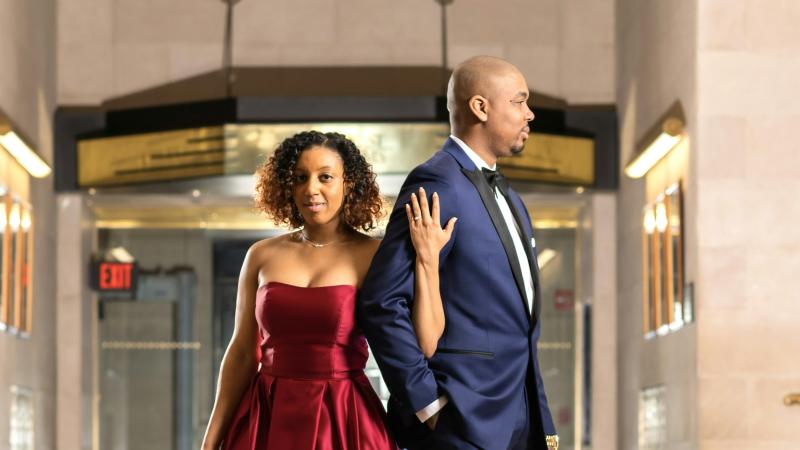
A couple in formal evening wear stands together in a grand marble lobby
Estate Planning

Estate Planning & Governance

Why structure matters

From Documents to Architecture

Estate planning is not paperwork — it is architecture. The difference between a family that holds together and one that fragments at the first transition is often a set of deliberate, documented decisions made years before they were needed.

These diagrams show what that architecture looks like in practice.

Estate Without a Will vs Estate With a Will

The document that settles everything — or leaves nothing settled.

Without a will

Years of uncertainty

  • Assets frozen in probate
  • Courts decide who raises your children
  • Legal fees erode the estate
  • Family relationships strained by disputes
  • Business continuity threatened

With a will

One afternoon settles decades

  • Assets distributed as intended
  • Guardian named in writing
  • Probate completed in months
  • Family unified by clarity
  • Business handed to the right person

Family Trust — Without vs With Structure

A trust holds what you built, exactly as you meant it.

Without a trust

Assets at the mercy of transition

  • Probate freezes all assets
  • Disputes fragment the estate
  • Creditors can access assets
  • Beneficiaries may not be ready
  • Distribution becomes a court matter

With a family trust

Continuity is immediate

  • Assets transfer outside probate
  • Your rules govern distribution
  • Creditor insulation built in
  • Age and milestone conditions enforced
  • Multi-generational reach by design

The Trust Formation Journey

From decision to deed — step by step.

01

Define the assets

Identify what enters the trust — property, shares, business interests.

02

Choose your trustees

Select individuals whose integrity and capability you trust over decades.

03

Set the rules

Ages, milestones, purposes — distributions follow your design.

04

Draft and execute the deed

A legally constituted instrument, signed and witnessed.

05

Transfer the assets

Title and registration formally move into the trust.

06

Review at each transition

The trust is a living instrument — revisit at every major life event.

A mother cradles her young son in a tender embrace outdoors

The Architecture Is for People

Wills and trusts are instruments. What they hold is a household — school runs, a business that opens on time, promises made across dinner tables. The next structures are about the people who carry your name: who leads what you built, and who raises those you love.

Succession Without a Plan vs With a Plan

Leadership transitions are designed, not inherited.

Without a plan

The business becomes the casualty

  • Successor unclear — family disputes
  • Key relationships lost with the founder
  • Business value erodes in transition
  • Competitors move into the vacuum
  • Decisions delayed while grief continues

With a succession plan

The business runs on Tuesday

  • Successor named and prepared
  • Knowledge transferred deliberately
  • Business continuity guaranteed
  • Value preserved through transition
  • Decisions made before the pressure arrives

Guardianship — Named vs Unnamed

The most important decision most parents have not made.

Without a guardian named

Strangers decide for your children

  • Court appoints a guardian from volunteers
  • Custody disputes disrupt children's stability
  • Your values may not guide their upbringing
  • Emergency care is improvised, not designed
  • Children in legal limbo during proceedings

With a guardian named

Your choice, binding

  • The person you chose raises your children
  • Values, schools and home — documented
  • Resources attached through trust and cover
  • Backups named for every contingency
  • Comfort — for decades — from one decision

The Intergenerational Relay

Wealth is a relay, not a sprint. Every runner must be trained before the baton arrives.

Build

First generation creates wealth

Enterprise, property, assets accumulated with intention.

Structure

Trusts and governance established

Architecture that holds the wealth across transitions.

Educate

Heirs learn stewardship

The next runner is trained before the baton arrives.

Transfer

Wealth changes hands cleanly

The transition is a process, not an event.

Sustain

Third generation inherits the system

Values and structures outlast any individual.

Family Governance Pillars

A family that can decide together can hold anything together.

Constitution

Family Constitution

Roles, rights and decision-making rules the whole family helped draft.

Council

Family Council

A regular meeting rhythm with a clear mandate and a record.

Process

Conflict Process

Disagreement gets a forum, a mediator and a deadline.

Onboarding

Member Onboarding

In-laws and heirs join a system, not a mystery.

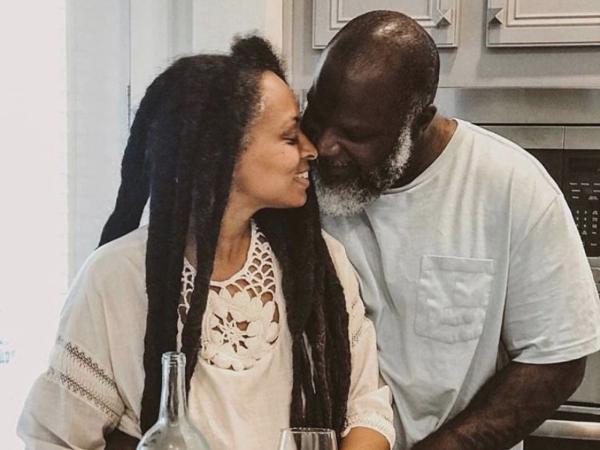
A middle-aged couple share a quiet moment together in their kitchen

Decided in Calm Rooms

Every structure on this page was designed years before it was needed — in a calm room, on an unremarkable afternoon. That is the whole discipline: decide while it is easy, so your family never decides while it is hard. Here is how the journey unfolds.

The Estate Planning Journey

From first conversation to lasting architecture.

01

Map your assets and obligations

What you own, what you owe, who depends on you.

02

Name your people

Beneficiaries, trustees, guardians, executors — every role filled deliberately.

03

Draft your documents

Will, trust deed, guardianship instrument — legally constituted and signed.

04

Coordinate your cover

Life cover and trust contributions aligned to your estate plan.

05

Communicate the plan

Successors and trustees know what is expected, while the room is calm.

06

Review at every transition

Marriage, children, business changes, property — the plan evolves with you.

Ready to build your estate architecture?

Our advisors work with families across Kenya to design estates that hold — through transitions, through generations, through the unexpected.

Request a Discovery Session

20 minutes. Private. No obligation.